
It took 70 years to build the first terawatt of US solar. The second TW? Just three years.
Solar has been the number one new energy source added to the grid for 5 straight years, with over 5 million residential installations now operating across the US. For contractors, EPCs, and installers, this explosive growth means the opportunity for driving revenue and profit from operations and maintenance (O&M) has never been greater.
The Market Has Fundamentally Changed
Here’s what’s different now: thousands of contractors have gone out of business over the past few years, leaving their installs without support. According to a 2023 TIME article, fraud complaints to the FTC mentioning “solar panels” jumped 746% since 2018. While that’s created challenges for homeowners, it’s also created a massive opportunity for contractors who are still around and committed to servicing systems.
Meanwhile, the old model of “free service for the life of the system” as a sales tactic has run its course. The contractors still in business are realizing what other home electrification products already know: professional service work deserves professional pricing. Homeowners are increasingly recognizing this too, especially as their systems age and they see the value of reliable maintenance.
The question isn’t whether O&M can become a profit center—it’s whether you’ll decide to build one or not.
Three Forces Driving the O&M Opportunity
1. Aging Arrays Create Natural Service Demand
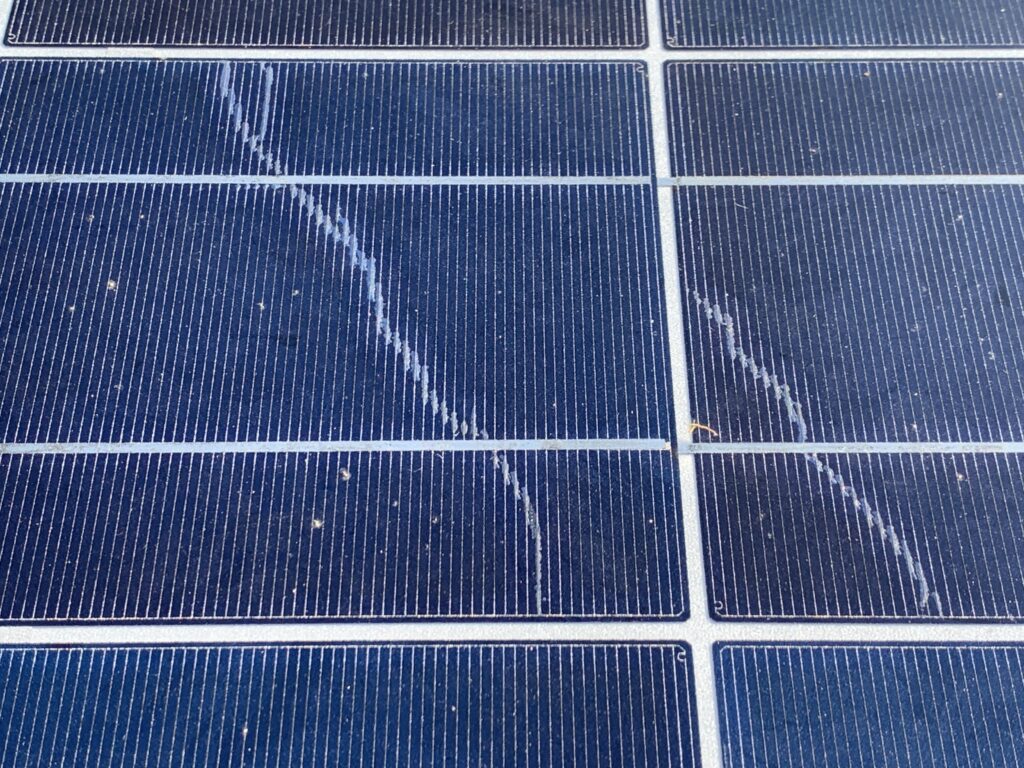
Many contractors installed thousands of systems five to ten years ago, and those systems are entering their first major maintenance cycle. Inverters need replacement. Microinverters lose efficiency over time. Connectors corrode. Panels develop microcracks that affect performance.
Rather than viewing this as a problem, forward-thinking companies are recognizing it as an opportunity. System repowering and component upgrades are becoming standard offerings, creating predictable revenue streams from existing customer relationships. The asset owners and homeowners who need this work are increasingly willing to pay for professional service; they just need contractors who can deliver it consistently.
2. Solar Opens the Door to Whole-Home Electrification
The relationship with a homeowner can go well beyond solar. Every service visit is now a conversation starter about the entire home energy ecosystem. When your technician is on site, they’re seeing opportunities that didn’t exist when most systems were installed—EVs that need charging infrastructure, aging HVAC systems ready for heat pump upgrades, and homeowners interested in battery storage for resilience.
The home electrification market is exploding, and solar contractors are perfectly positioned to capture it. One solar install today can become a 20-year relationship encompassing batteries, EV chargers, heat pumps, smart panels, and whole-home energy management. However, that only works if you’re showing up, doing good work, and treating service as a real business line rather than a necessary evil.
3. The “Maintenance-Free” Era Is Over
Solar was often sold as set-it-and-forget-it, but after a decade of real-world experience, both contractors and homeowners understand the reality. Extreme weather causes wear and tear. Small issues like debris accumulation lead to larger problems if left unaddressed. Hardware components have lifespans that don’t always match warranty periods.
The good news? Homeowners are becoming sophisticated about this. They already pay for HVAC tune-ups, water heater maintenance, and regular car service. Solar is typically the third-most-expensive asset they are responsible for, so the idea of paying for professional maintenance isn’t a tough sell; it just needs to be positioned correctly and delivered professionally.
What Profitable O&M Actually Looks Like
The contractors winning at service are building intentional business models around it. This isn’t complicated, but it does require moving beyond only preventive maintenance and free troubleshooting.
Successful approaches include diagnostic visits that identify issues and create opportunities for follow-up work. Tiered subscription models that provide predictable recurring revenue while guaranteeing response times and including preventive maintenance. Annual checkup programs that catch problems early and create natural moments to discuss complementary products. And increasingly, B2B service offerings where contractors become the O&M provider for orphaned systems, other installers’ portfolios, and asset owners who need professional service networks.
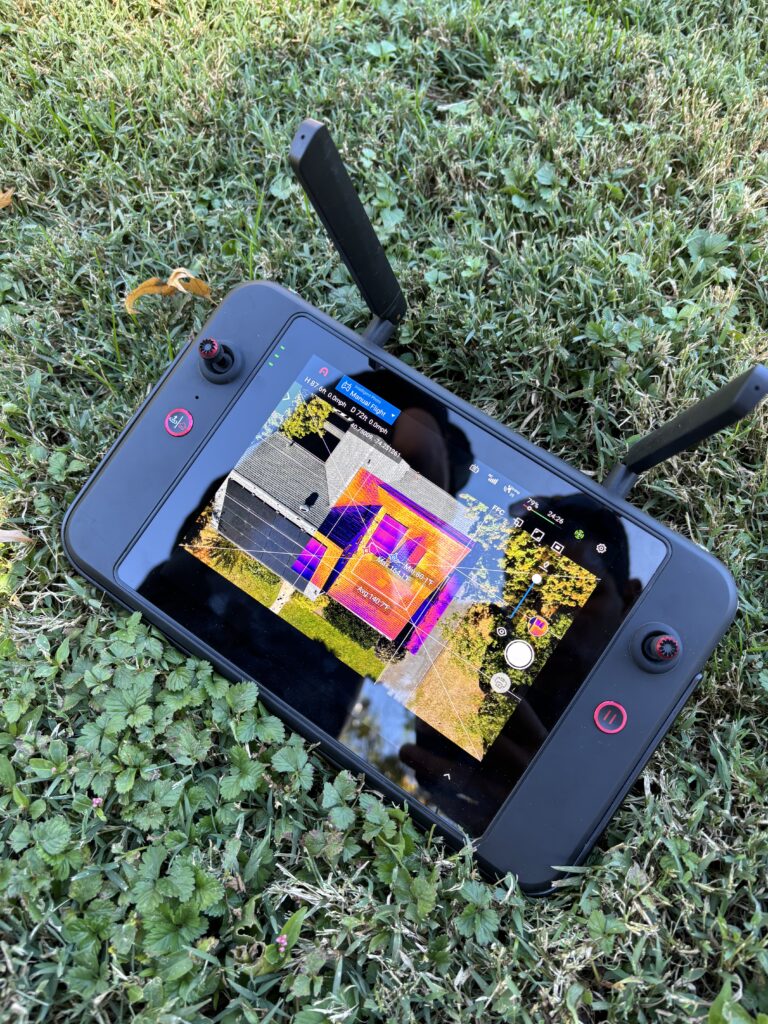
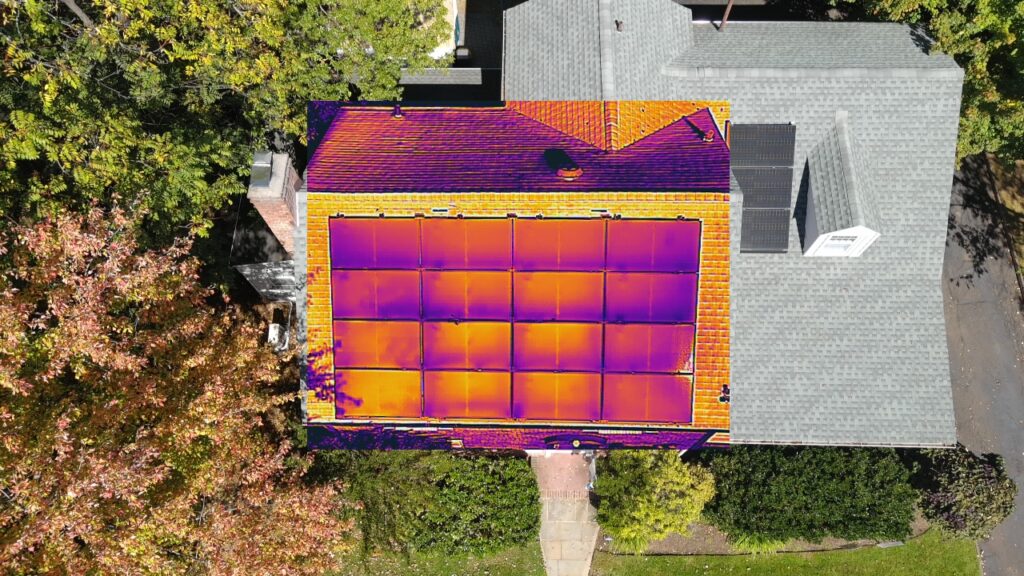
None of this requires abandoning installation work. Instead, it’s about recognizing that in a maturing industry, service relationships often outlast installation relationships. The contractor who installed the system in 2015 might be out of business, but the system still needs maintenance for another 15 years. There’s real value in being the contractor who’s still answering the phone.
The Infrastructure Challenge
The biggest obstacle to scaling profitable O&M isn’t demand, it’s having the right operational infrastructure. Most contractors are still running service the way they did when they managed 100 systems: manual scheduling, text messages with field techs, photos scattered across email threads, and inconsistent documentation.
That approach doesn’t scale to 1,000 systems, let alone 10,000. To make O&M truly profitable, you need automated workflows, standardized processes, real-time visibility into job status, and tools that make your entire team more effective. This infrastructure gap is exactly why some contractors are building dominant service businesses while others keep complaining about how expensive and difficult O&M is.
The companies investing in this infrastructure now will own service relationships for the next decade. That’s not hyperbole, it’s what happens in every maturing industry. The question is whether you’ll be one of them.
The Window Is Open
The solar industry is entering its mature phase, where professional service operations become as valuable as installation capabilities. You have aging systems that need maintenance, sophisticated homeowners willing to pay for it, massive cross-sell opportunities into products that didn’t exist five years ago, and a competitive landscape where most contractors still treat O&M as an afterthought.
This is the rare moment where building the right infrastructure and business model can create a genuine competitive advantage. The contractors who figure this out will own customer relationships for the next 20 years of the energy transition.